Some trees simply have no room to be trees. In tight gardens, courtyards and alongside buildings, a full-size tree is often more trouble than it is worth. Tree pollarding is the traditional answer: the upper branches are cut back to the main trunk or to established branch stubs, keeping the tree at a controlled size while encouraging dense, compact regrowth.
Pollarding is a long-term commitment. The regrowth must be removed on a regular cycle, typically every two to five years, otherwise the heavy regrown branches become unsafe. Carried out correctly and consistently, pollarding keeps trees healthy and contained for decades; carried out badly, it can leave a tree weak and unstable. That is why pollarding should always be left to arborists who know what they are doing.
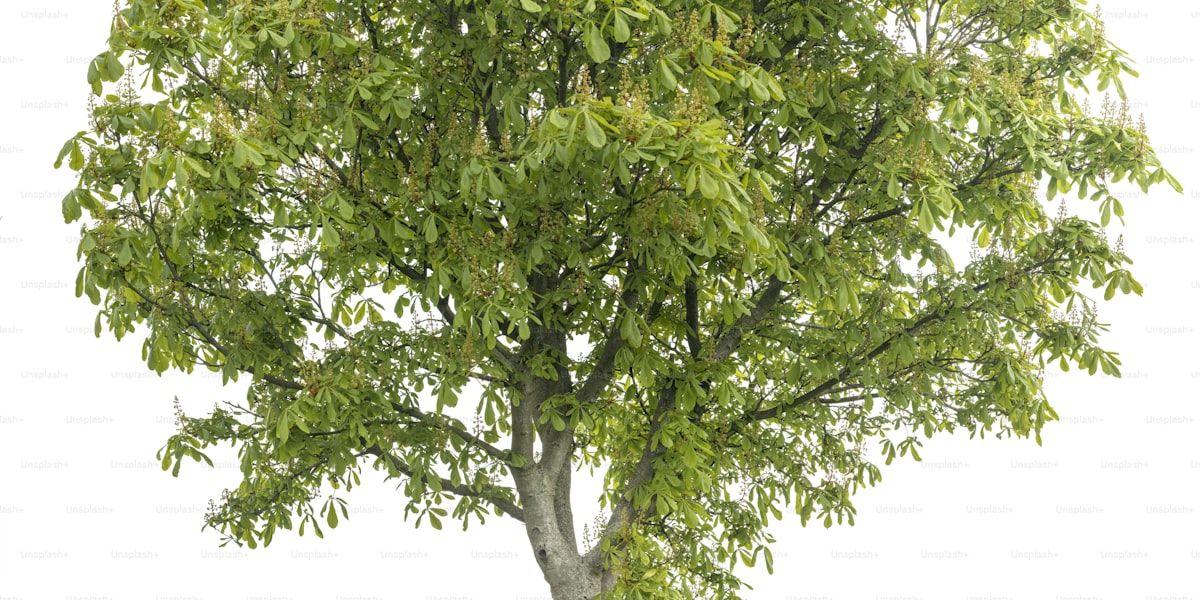
Pollarding is most commonly used on species that regrow strongly, such as lime, plane, willow and poplar, and it is a traditional sight along streets and in formal gardens. On the right tree it creates a distinctive, knuckled form that suits urban and confined spaces beautifully, and it is often the difference between keeping a much-loved tree and having to remove it altogether.
How It Works
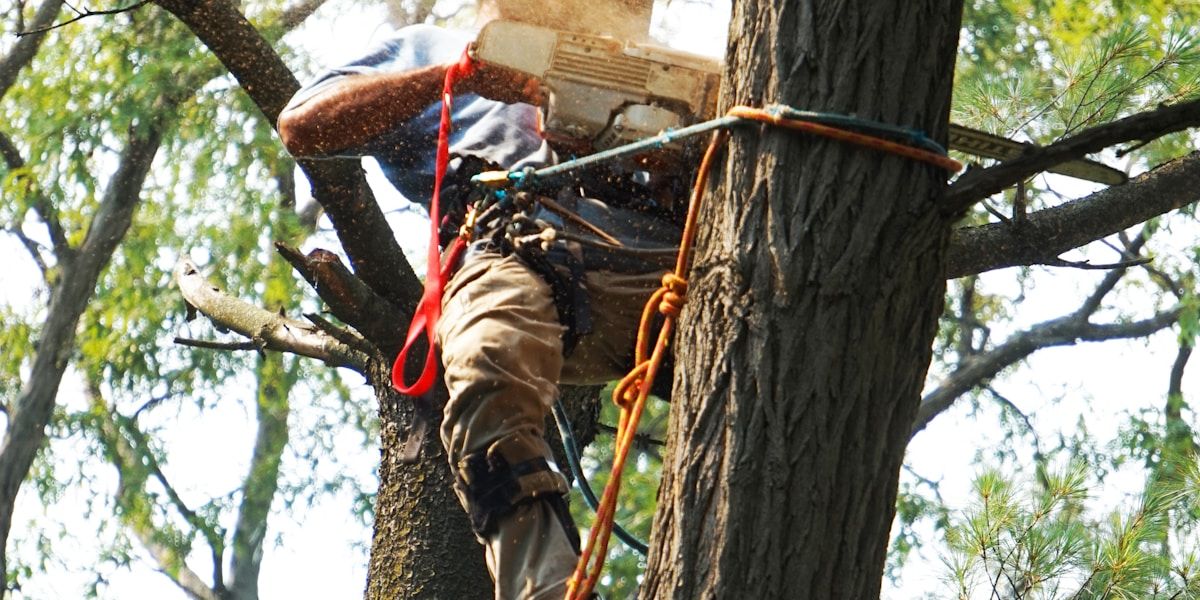
We assess the tree, confirm that pollarding is the right approach for its species and situation, and set out a clear plan including the cutting points and the future maintenance cycle. We then carry out the work cleanly, taking all the removed material away, so your tree is neat, safe and under control.
What You Get
A compact, safe tree that stays within its space, with a maintenance cycle agreed so the regrowth never becomes a problem. We can set up a reminder for future cycles so the tree is always pollarded at the right time, keeping it healthy and your garden looking its best.
Why Choose Us
With years of experience pollarding trees across Chester, Macclesfield, Crewe, Runcorn and Warrington, we understand the species that respond well and those that do not. We will always give you honest advice, clear pricing and professional workmanship. If you are considering pollarding, contact us for a free assessment.