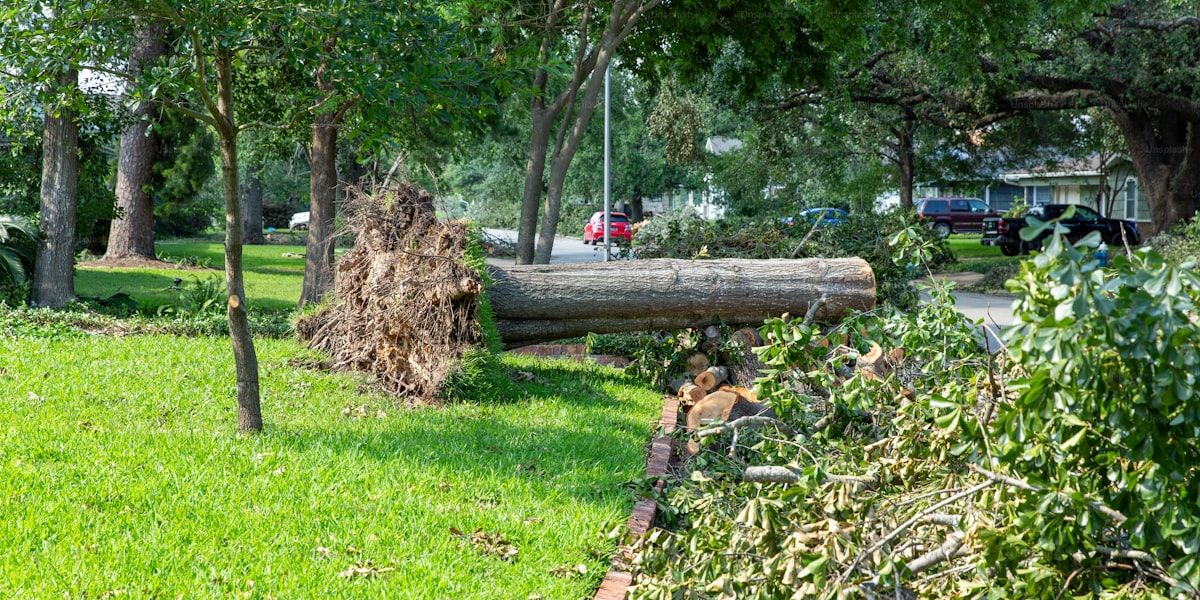

A single night of high winds can leave a garden changed overnight: a tree across the drive, a limb through a fence, a trunk leaning over the roof. When it happens, it is easy to panic and hard to know what to do first. This guide gives you a calm, step-by-step response plan for storm-damaged trees, and explains when to call in professional help.
What Should I Do First After a Storm?
Your priority is safety, not tidiness. Keep yourself, your family and your pets away from fallen trees, hanging limbs and anything touching power lines, because storm-damaged trees are unpredictable and can shift or drop branches at any moment. Never approach a tree that is resting on a power line; contact your electricity provider immediately and let them deal with the line before anyone works on the tree.
When Is Tree Damage an Emergency?
Treat it as an emergency when a tree or large limb is leaning over a building, has fallen on a structure, is blocking an access or a road, or is damaged in a way that could fail at any moment. If the tree is simply missing a few branches and is otherwise standing sound, it can usually wait for a calmer day and a planned visit. When in doubt, a quick phone call will tell you whether your situation needs an urgent response.
Can a Storm-Damaged Tree Be Saved?
Often yes. A tree that has lost branches can survive and recover well if the remaining structure is sound, particularly if the wounds are cleaned up and the crown is rebalanced by a professional. A tree that has partially uprooted, split down the trunk or lost a major structural limb is a different matter, and removal is usually the safe option. An arborist's assessment will tell you which situation you are in, and honest advice matters here: saving a tree that should come down is not a favour to anyone.
Will Insurance Cover Storm Damage?
Most buildings and contents policies cover damage caused by a tree that has fallen during a storm, including the cost of removing the tree from your property. Before any work starts, take photographs of the damage from several angles, and check your policy for the level of cover. A reputable tree surgeon will provide the documentation you need for a claim, and many insurers will want a professional assessment before they settle. We regularly help customers across Macclesfield and Warrington with insurance jobs.
What Does Emergency Tree Work Involve?
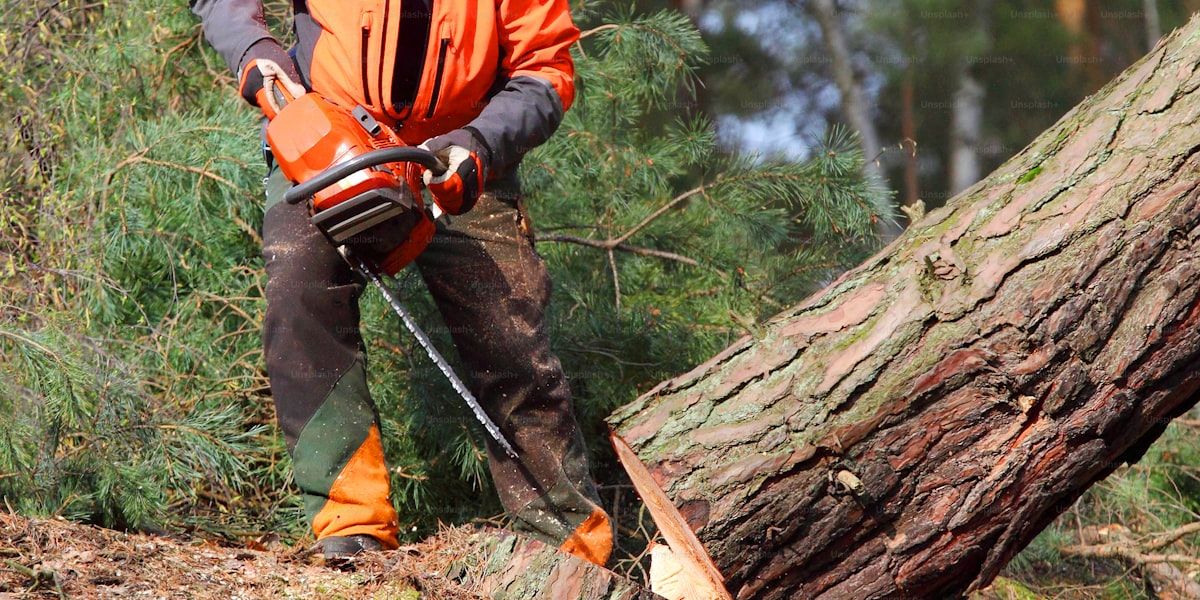
A professional emergency response starts with making the scene safe, then deals with the immediate danger, whether that is freeing a roof, clearing an access or removing a hanging limb. The full clearance, cutting up the timber and taking it away, follows once the urgent work is done. You can see the full breakdown of the service, and what to expect on the day, on our emergency tree work page.
How Can I Prevent Damage Next Time?
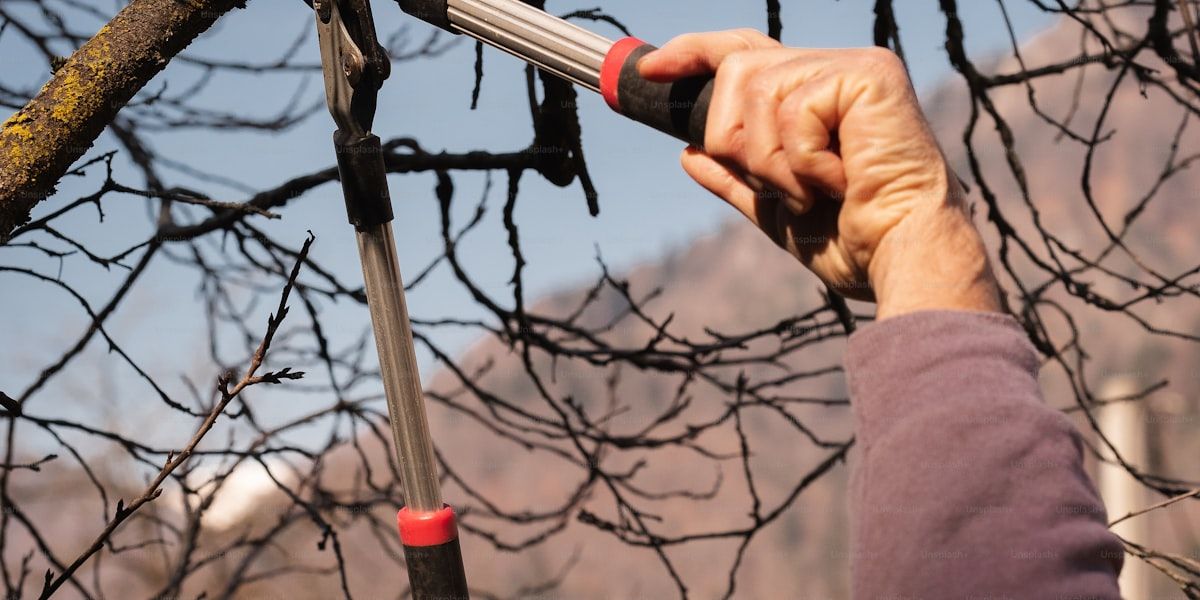
You cannot stop every storm, but you can reduce the risk. Regular pruning removes weak and dead branches before the wind can, and an annual inspection catches decay and structural problems while they are still manageable. Trees near buildings benefit most from this kind of preventive care, and it is far cheaper than an emergency call-out. If a storm has just passed, check the trees that survived too: hidden cracks and lifted roots often show up in the weeks afterwards.
Further Reading
- How Do I Know If a Tree Is Dangerous? Spotting the warning signs before the next storm.
- How to Choose a Tree Surgeon Finding the right professional when you need help fast.