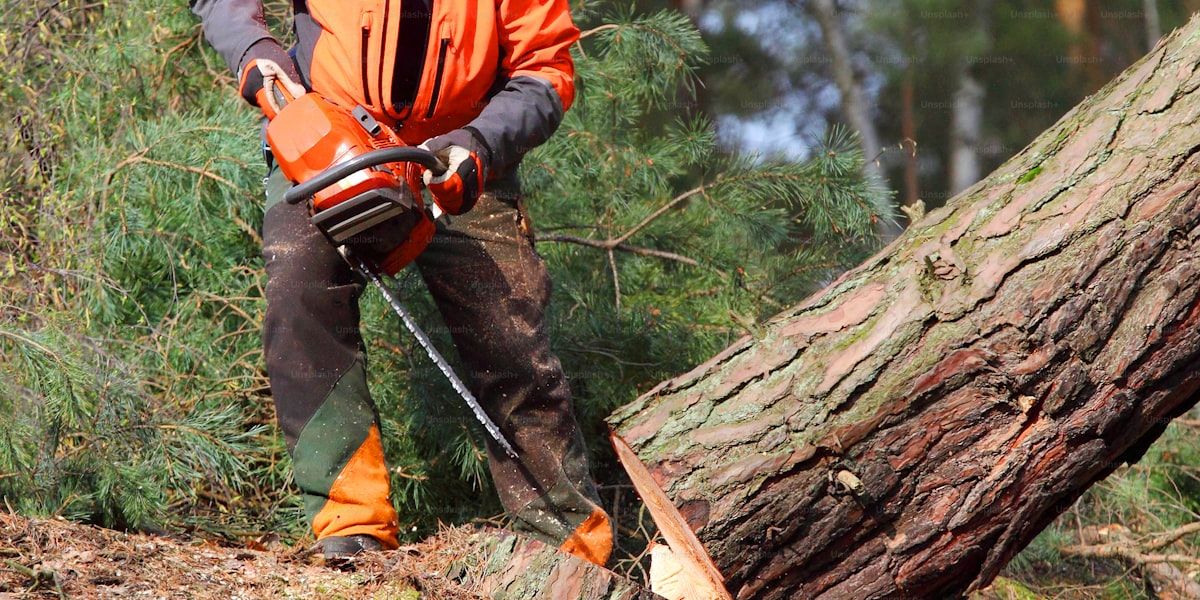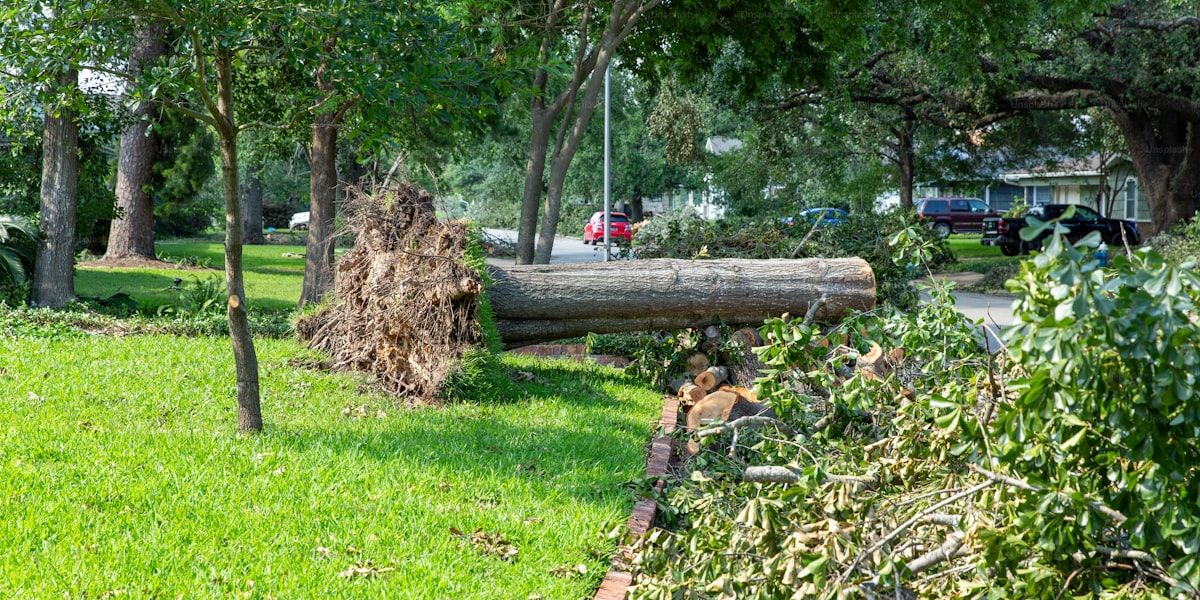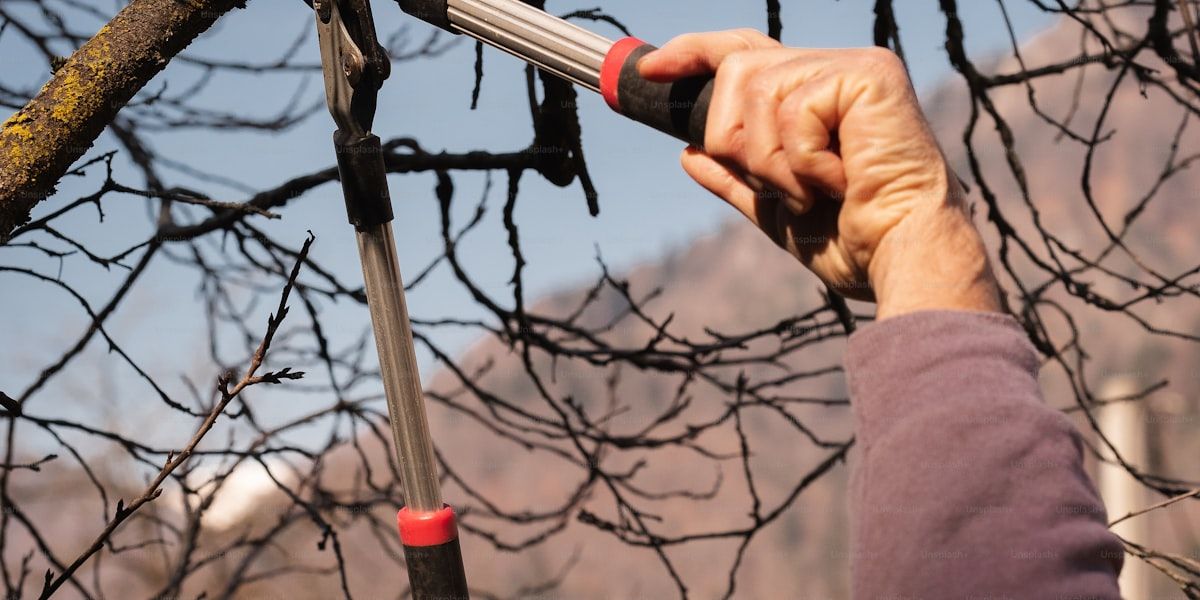

Pruning at the right time is one of the simplest ways to keep your trees healthy, and it is one of the questions we hear most often from homeowners across Cheshire. Prune at the wrong time and you can stress the tree, invite disease or cut away this year's flowers and fruit. This guide covers the best seasons for the most common trees in UK gardens, and how to tell when your tree is ready for the saw.
When Is the Best Time to Prune Most Trees in the UK?
For most deciduous trees, the ideal window is the dormant season, roughly from late November to early March. With no leaves on the branches, the structure is easy to read, sap flow is minimal and the tree is under the least stress. Pruned during dormancy, the tree seals its cuts quickly when growth resumes in spring, which makes winter the safest season for most tree pruning work.
January and February are the sweet spot for the majority of species. From March onwards the picture changes: birds begin nesting in hedges and trees, and under the Wildlife and Countryside Act it is an offence to disturb active nests. That is one reason professional arborists plan most work for the winter months.
Which Trees Are the Exception to Winter Pruning?
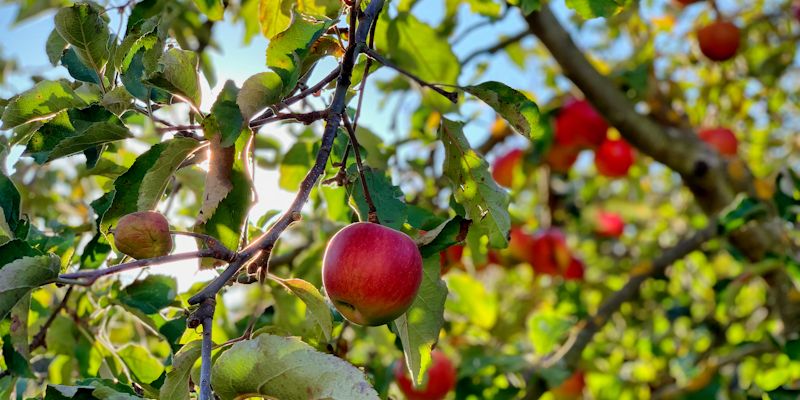
Cherries, plums and other stone fruit are pruned in mid-summer, usually between June and August, when the tree is in full leaf. Winter pruning leaves these species vulnerable to silver leaf disease, a fungal infection that enters through cuts during the cool, wet months. Apple and pear trees, by contrast, respond well to winter pruning, which encourages strong growth and better fruiting.
Evergreens such as conifers are generally pruned in late spring, once the risk of hard frost has passed. A light trim is fine at most times of year, but avoid cutting into old wood on most conifers, because they will not regrow from bare stems. Yew is the main exception and will regrow happily from old wood.
Can I Prune Hedges at Any Time?
Hedges follow a looser rule. The classic approach is two cuts a year: a light trim in spring, then a tidy-up in late summer before growth slows for winter. Formal hedges, like those around Chester gardens, often need more frequent attention, while native hedgerows are best cut in late winter to protect nesting birds. Whatever the hedge, professional hedge trimming keeps it dense and healthy year after year.
Are There Times When Pruning Is Always Wrong?
Yes. Avoid pruning during active growth in late spring and early summer, when rising sap and nesting birds create the perfect storm of risk. Extremely cold, freezing weather is also poor timing: frozen wood turns brittle and tears instead of cutting cleanly. And if a branch is dead, diseased or dangerous, do not wait for the perfect season. Hazardous branches should come off as soon as they are spotted, at any time of year.
What If a Tree Has Been Neglected for Years?
If your trees have missed several seasons of care, it is rarely wise to do everything at once. Heavy pruning on a mature tree should remove no more than about 30 per cent of the live crown in a single operation, spread over a sensible period. Our arborists can assess the tree and build a phased plan that restores its shape without shocking it. If you are unsure about the right timing for your trees, a free assessment will give you a clear answer.
Further Reading
- How to Choose a Tree Surgeon What to look for in qualifications, insurance and experience before you book tree work.
- What Is Crown Reduction (And When Do You Need It)? How crown reduction differs from other pruning and when it is the right choice.