
If your tree has grown too large for its spot, shading the garden, crowding the house or blocking the view, crown reduction is often the answer. It is one of the most skilled jobs in arboriculture, and getting it right means a tree that is smaller, safer and still looks like a tree. Here is what crown reduction actually involves and when it is the right choice.
What Is Crown Reduction?
Crown reduction is a pruning technique that reduces the overall size of a tree's crown, both its height and its spread, by cutting branches back to suitable growth points. The aim is to make the tree smaller while keeping its natural shape and character. Unlike crude topping, which lops the top off and leaves stubs that rot, a proper reduction works through the canopy, removing the ends of branches at the right points so the tree heals cleanly.
When Do You Need Crown Reduction?
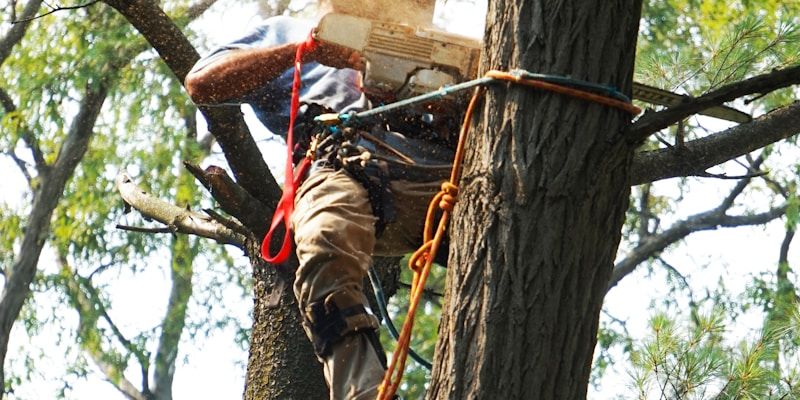
Crown reduction is appropriate when a tree has outgrown its surroundings. Common reasons include restoring light to a garden or room, reducing the weight on old or weakened limbs, keeping a tree clear of a building, and lowering the wind resistance that can make a large tree dangerous in storms. It is also used where a tree is too big for its location but is too valuable to remove.
Is Crown Reduction Harmful to Trees?
When carried out correctly by a qualified arborist, no. The skill is in the cuts: each branch is shortened back to a lateral that can take over, so the tree keeps its structure and heals well. Problems arise when too much is removed at once, or when cuts are made at the wrong points, leaving the tree stressed and open to decay. A sensible reduction removes no more than about 30 per cent of the live crown, and a professional will tell you if the tree is unsuitable.
How Is It Different From Crown Thinning?
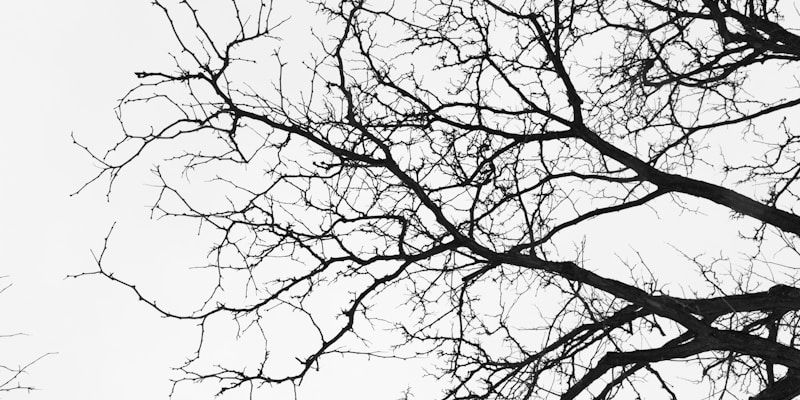
Crown thinning and crown reduction are easily confused, but they do different jobs. Crown thinning removes selected branches from within the crown to let more light and air through, without changing the overall size of the tree. Crown reduction changes the tree's footprint, making it smaller in all directions. Some trees benefit from a combination of both, which is a decision best made during a site assessment.
How Much Can the Crown Be Reduced?
There is no fixed percentage that fits every tree, but the amount depends on the species, age and condition of the tree, and what you are trying to achieve. A mature tree with good vigour can usually take a modest reduction, while older or stressed trees should be treated more gently. Sometimes the better answer is a phased reduction over a few years, keeping the tree healthy while gradually bringing it down to size. A qualified arborist will assess the tree and recommend the right level of work, and you can see the full process on our crown reduction page.
What If the Tree Is Still Too Large?
If a tree is simply in the wrong place, a very heavy reduction can leave it weak and ugly. In that situation, honest advice is to consider alternatives, whether that is crown thinning, pollarding for species that respond well, or removing the tree and replanting a smaller species. We work across Chester and the rest of Cheshire, and we will always tell you the truth about what your tree needs, even when that means recommending less work, or a different job entirely.
Further Reading
- When Is the Best Time to Prune Trees in the UK? A seasonal guide to timing all your tree work.
- How to Choose a Tree Surgeon What to check before booking any tree surgery.